


10 octubre 2025
admin
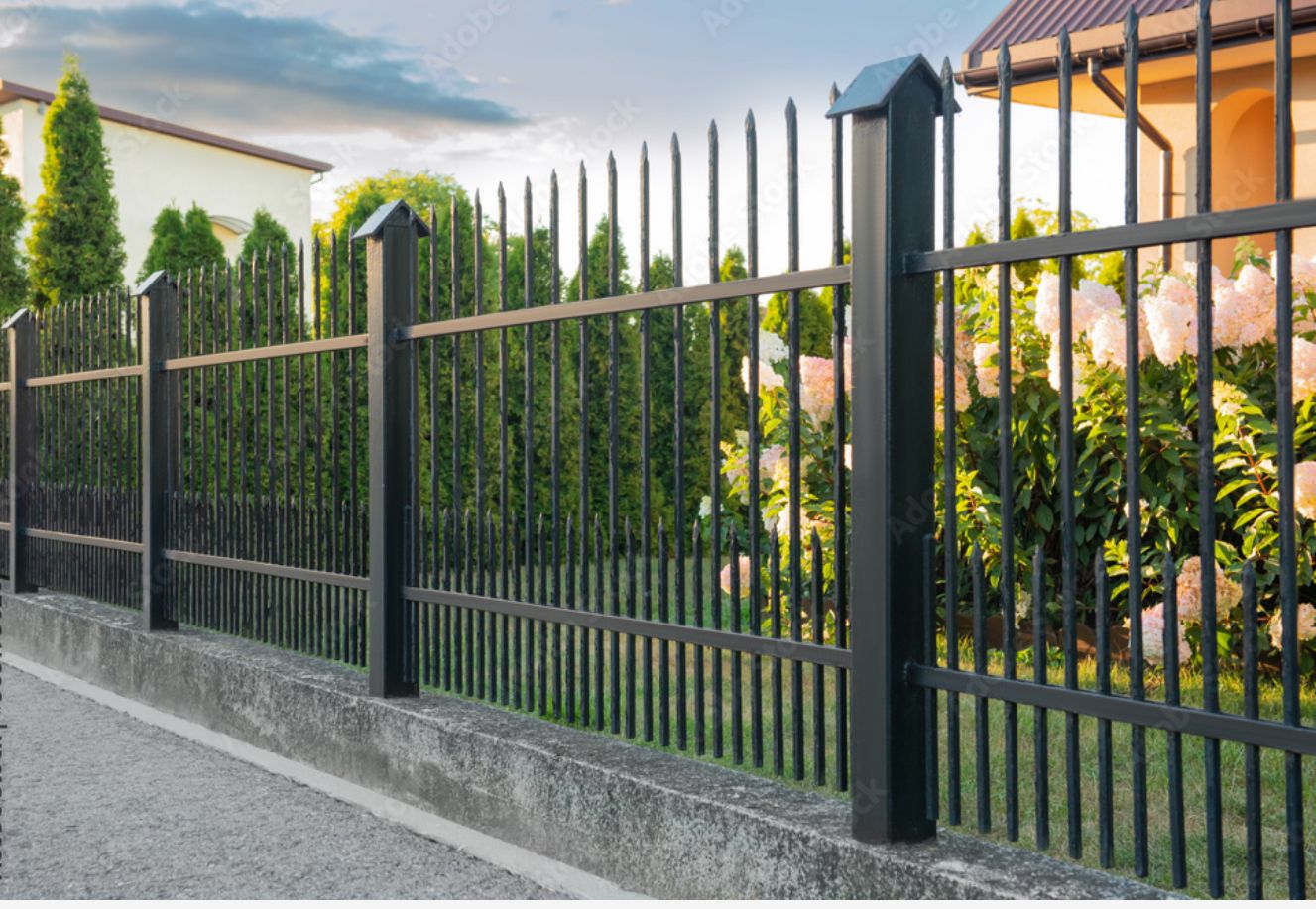
As cities expand and transportation networks grow, the demand for safe, durable, and innovative guard rail systems has never been greater. Guard rails are not just roadside barriers — they are essential safety components that protect lives, vehicles, and infrastructure.
From highways to bridges and industrial zones, advanced guard rail systems ensure safety, regulatory compliance, and long-term reliability. In this article, we’ll explore how modern technology, materials, and engineering innovations are transforming guard rails into intelligent, high-performance systems designed for the future of infrastructure.
1. The Importance of Guard Rail Systems in Infrastructure Projects
Guard rails are the first line of defense in accident prevention. Their role is to absorb impact energy, prevent vehicles from veering off the road, and minimize crash severity.
In infrastructure projects such as highways, tunnels, and bridges, guard rails reduce fatal accidents by over 40% when properly installed. For EPC firms and contractors, they are a non-negotiable element of safety and compliance.
Key Benefits:
- Enhanced Safety: Protects motorists, pedestrians, and construction workers.
- Legal Compliance: Meets global safety standards (EN 1317, ASTM, or AASHTO).
- Reduced Maintenance: Durable materials extend service life and minimize repair costs.
- Versatility: Suitable for roads, bridges, solar farms, and industrial perimeters.
2. Materials and Design Innovations
Today’s guard rail systems go far beyond simple steel barriers. Modern designs incorporate advanced materials, modular structures, and smart engineering to deliver unmatched performance.
High-Strength Steel and Coatings
Galvanized and powder-coated steel rails provide exceptional resistance to corrosion, weather, and UV exposure — ideal for long-term use in all climates. In coastal or industrial regions, zinc-aluminum coatings further extend service life.
Modular and Flexible Designs
New modular guard rail designs allow for quick installation and easy replacement of damaged sections. Flexible posts and impact-absorbing spacers reduce collision forces, making roads safer without compromising efficiency.
Smart Guard Rails
Emerging technology is introducing IoT-enabled guard rails equipped with sensors to monitor impact, vibration, and weather conditions in real time. These smart systems help maintenance teams act quickly and prevent future accidents.
3. Guard Rail Installation with Pile Driving Equipment
The effectiveness of a guard rail system depends heavily on its installation method. Using modern pile driving machines ensures proper alignment, consistent depth, and strong anchoring of posts.
Advantages of Using Pile Drivers for Guard Rail Installation:
- Precision: Automated pile positioning ensures accurate placement.
- Speed: Hydraulic systems dramatically reduce installation time.
- Durability: Deep, consistent anchoring improves long-term performance.
- Cost-Effectiveness: Less labor, reduced downtime, and minimal rework.
Many EPC contractors now integrate hydraulic pile drivers from trusted brands such as Innosis to achieve efficiency and precision in guard rail installation for large-scale projects.
4. Safety Standards and Compliance
Infrastructure safety is regulated by strict international standards. Properly engineered and certified guard rails ensure that every installation meets or exceeds these benchmarks.
Common Standards:
- EN 1317 (Europe): Defines performance requirements for road restraint systems.
- AASHTO M180 (U.S.): Specifies guard rail dimensions, materials, and impact resistance.
- ASTM A123: Regulates galvanization for corrosion protection.
Meeting these standards not only ensures compliance but also builds trust among public and private sector stakeholders.
5. Sustainability and Long-Term Value
Modern infrastructure demands sustainability and circular design. Advanced guard rail systems are increasingly made from recyclable steel and coated with eco-friendly materials.
Combined with pile driving technologies that reduce soil disturbance and concrete use, these systems contribute to greener construction practices and long-term project ROI.
For governments and EPC firms aiming for carbon-neutral infrastructure, choosing sustainable guard rail systems is both an ethical and economic decision.
6. Choosing the Right Guard Rail Partner
When selecting guard rail systems and installation equipment, consider:
- Proven compliance with global standards
- High-grade steel and corrosion-resistant coatings
- Compatibility with hydraulic pile driver systems
- Reliable after-sales support and spare parts availability
Working with experienced manufacturers and suppliers ensures that every barrier, post, and pile is installed to last — delivering maximum protection and performance for decades.